
OpenAI
CompanyA company discussed on Sourcery with Molly O'Shea.
5 episodes
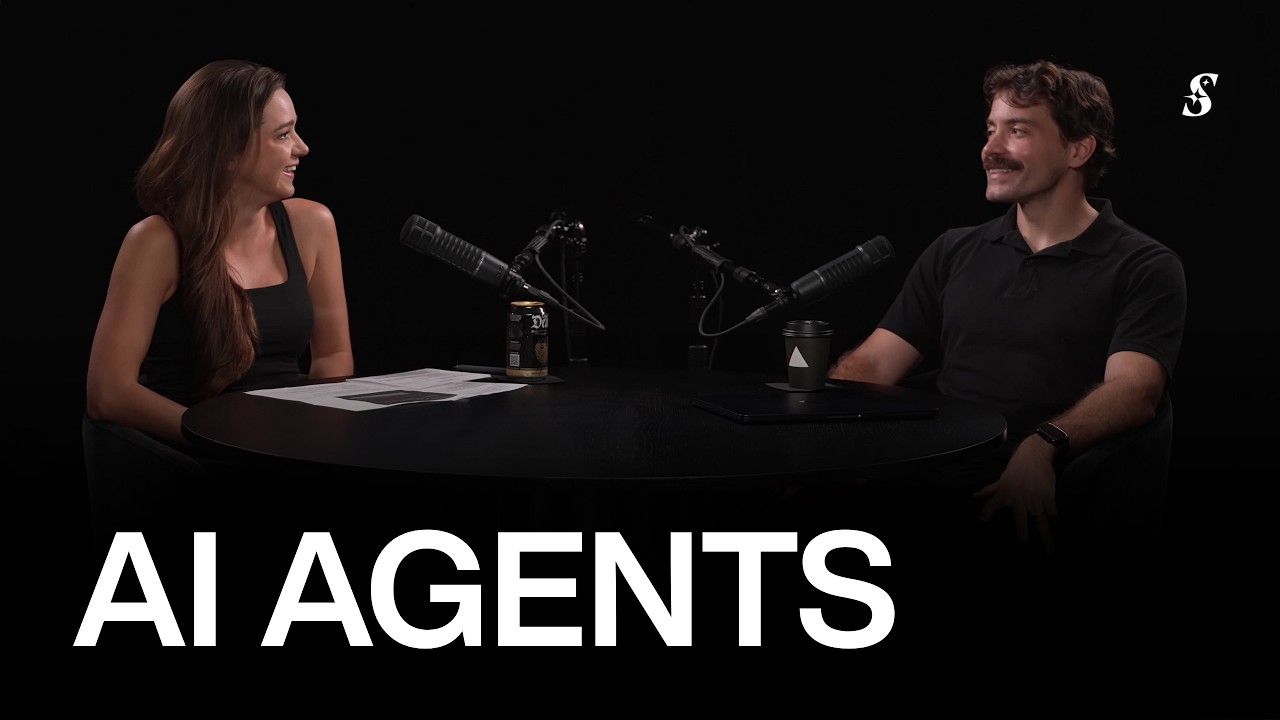
60% of Vercel Deployments Are Now Shipped by AI Agents
Oct 16, 2026 · 1:29:09
Vercel CEO Guillermo Rauch argues AI agents, not humans, are becoming the internet's primary users — and Vercel the infrastructure they choose. Coding agents went from 3% to 60% of Vercel deployments in a year, and the $9.3B-valued company reports $600M annualized revenue and 485,000 paying teams. He says engineers now manage agents like engineering managers, enterprises will generate personalized software instead of buying SaaS while Salesforce survives as data infrastructure, and websites must retool for agents via MCP. Vercel's AI Gateway shows 80% of tokens flow to open models — frontier labs, he argues, face fleeting loyalty and crypto-like froth. He details a $1M sandbox bounty that surfaced a critical Linux vulnerability and predicts fluid compute as serverless's next chapter.
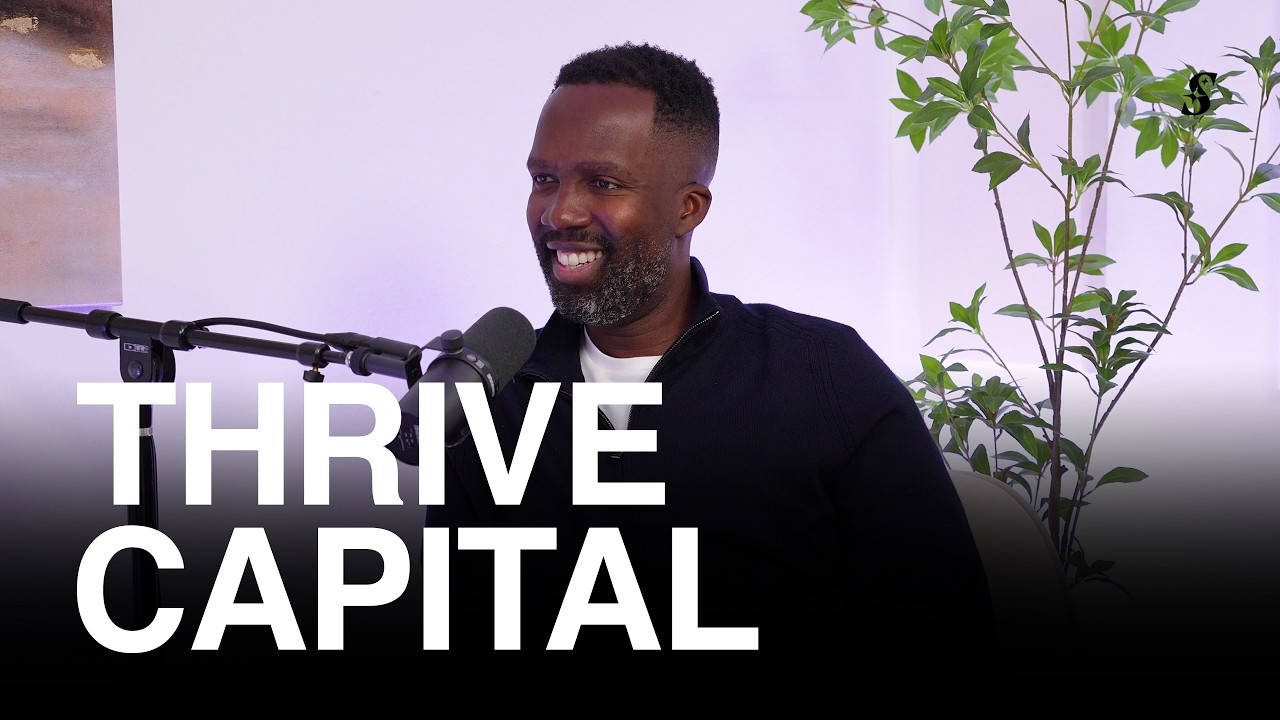
Thrive Capital’s Dr. Nworah Ayogu on Why Neuralink Is More Interesting Than SpaceX
Oct 14, 2026 · 1:10:25
Dr. Nworah Ayogu, physician and Partner at Thrive Capital, argues AI's most important breakthroughs will happen in medicine, pointing to portfolio companies like Isomorphic Labs, Neuralink, OpenEvidence, and Cadence. He explains how Isomorphic Labs could cut drug development from 10 years to 4, and why Neuralink—more interesting than SpaceX, he argues—insources everything from neurosurgical robots to pathology labs. OpenEvidence reached two-thirds of US physicians in three years versus Epic's sub-50% share after 40. He details Cadence cutting hospitalizations 25% and saving Medicare $2.5M weekly, OpenAI's 300 million weekly health questions, and $40 trillion spent over a decade with no life expectancy gains, closing with his case that America needs a 10X nurse more than a 10X engineer.

Perplexity CEO: SMBs Could Drive the Next Economic Boom
Oct 12, 2026 · 54:45
Perplexity CEO Aravind Srinivas tells Molly O'Shea that the next wave of American economic growth will come from smaller, AI-native companies, and that his model-neutral agent platform is built to serve them. He traces Perplexity's evolution from answer engine to Perplexity Computer, citing 5x revenue growth and one solopreneur spending over $1M annually while making $3M. He argues AI products have recursive effects, not network effects, so user depth beats user counts. He explains local and hybrid AI with NVIDIA and Apple, rules out building Perplexity data centers, and describes sovereign deployments for data-wary governments. He ends with his hiring-by-trials method, Larry Page's 'user is never wrong' philosophy, and his bet on long-horizon agents turning everyone into a scientist.

The Wildest Hot Takes From the All-In Summit 2026
Sep 27, 2026 · 47:20
At the All-In Summit 2026, Brad Gerstner of Altimeter says the AI safety debate is settling into a pragmatic consensus around independent peer review, while Naveen Rao of Unconventional AI claims his chips are thousands of times more efficient and calls software near-worthless in 20 years. Jonathan Neman of Sweetgreen argues AI won't kill you but ultra-processed food will. Toby Rice of EQT forecasts 20 to 40% more natural gas demand from AI power generation. Kent Draper of IREN says compute demand far exceeds supply, Wen Sang of Genspark says don't slow AI down, Geoff Woo of Anti Fund denies free will, Nick Shirley calls California's $200 billion high-speed rail wasteful, Jake Paul wants the Constitution updated, and Michael Brandt of Ketone-IQ calls the human body the next tech platform.
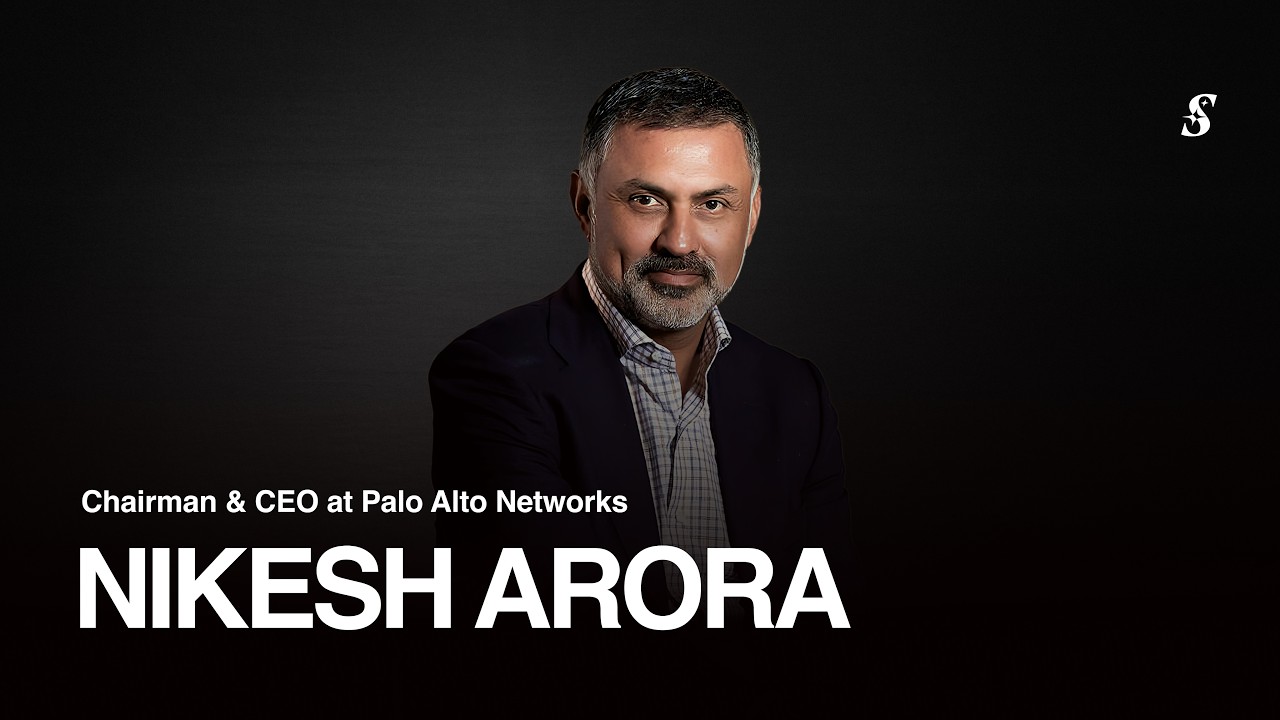
Nikesh Arora: $300B, 40 Acquisitions, Still Paranoid
Aug 17, 2026 · 59:10
Nikesh Arora, chairman and CEO of Palo Alto Networks, argues the AI cybersecurity boom is only beginning, with AI attacks compressing vulnerability-to-exploit time from 55 days to minutes. He details Palo Alto’s new 4-hour patch capability, explains why he signed Jensen Huang’s open-source AI letter, predicts the entire software industry will be rewritten in 10 years, and breaks down the playbook behind 40+ acquisitions in eight years, including the $28 billion CyberArk deal. He also describes hiring AI-native talent through hackathons, defends LinkedIn as a scouting tool, and shares lessons from Larry Page at Google and Masayoshi Son at SoftBank—including doubling down on winners. He expects market gyrations ahead but insists AI demand, and security’s role, is unstoppable.
Powered by PodHood